For most of the 20th century, longevity research mainly aimed to extend lifespan. However, living longer doesn’t always mean living better. Today, healthspan is a more meaningful measure. Healthspan signifies the portion of life lived without debilitating chronic illness—where functional mobility, metabolic efficiency, cognitive clarity, and immune resilience are preserved.
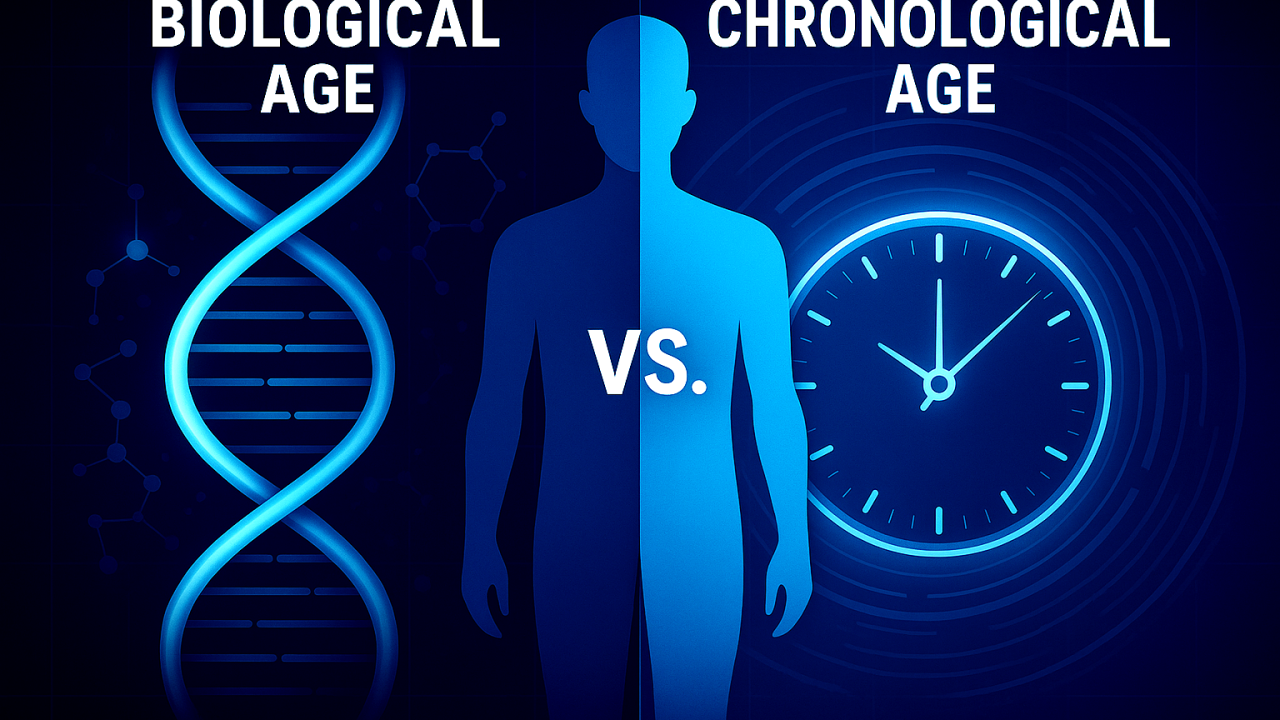
Increasing evidence shows that biological age, rather than chronological age, is a more accurate predictor of disease risk and mortality. Biological age reflects the cumulative effects of mitochondrial efficiency, muscle mass and strength, hormonal balance, inflammatory load, nutrient signaling pathways, and lifestyle patterns.
One of the strongest indicators of biological aging is skeletal muscle mass. Muscle tissue acts as a metabolic organ, affecting glucose disposal, insulin sensitivity, inflammatory signaling, and immune function.
Sarcopenia, the loss of muscle mass, is closely linked to issues such as cardiovascular disease, cognitive decline, frailty, falls, and metabolic syndrome. Hormonal signaling significantly influences this process, with decreases in testosterone, growth hormone, and DHEA, as well as reduced insulin sensitivity, affecting mitochondrial function and the body’s ability to repair tissues.
Lifestyle interventions that boost healthspan include resistance training, optimizing sleep, aligning circadian rhythms, following nutrient-dense diets, and managing stress. These approaches primarily operate at the cellular level by improving mitochondrial function and supporting metabolic signaling pathways.
 A breakthrough in modern physiology is the recognition of the bidirectional gut–brain axis, a communication network in which the gut and brain interact through multiple interconnected systems, including the vagus nerve, immune signals, microbial metabolites, neurotransmitters, and hormones.
Disruptions in this communication network are now closely linked to various chronic illnesses such as Alzheimer’s, Parkinson’s, depression, anxiety, autoimmune conditions, and metabolic syndrome.
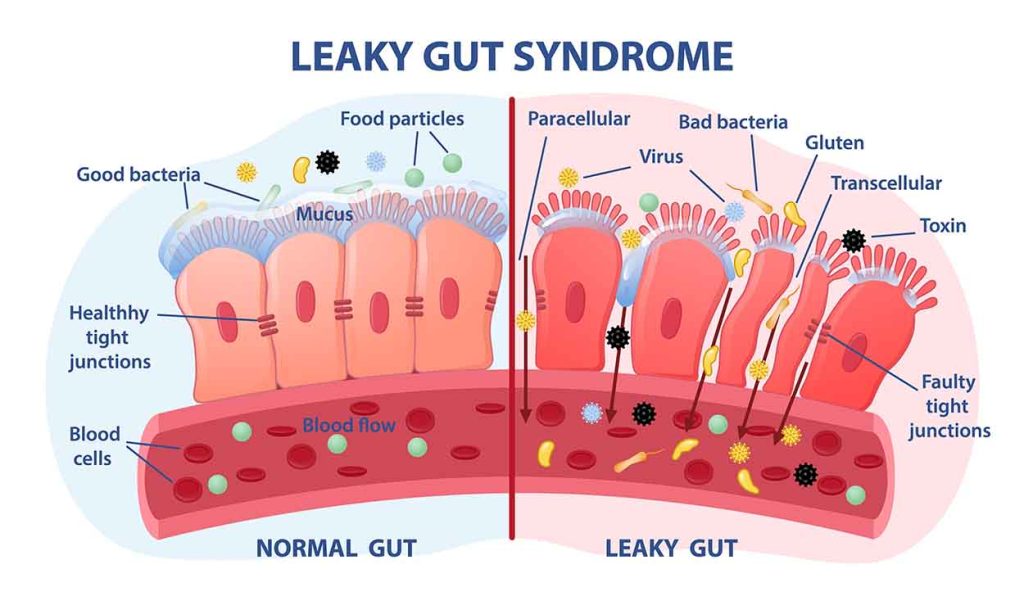
A key factor in gut–brain issues is intestinal permeability, commonly known as “leaky gut.” When the gut barrier is damaged, endotoxins, such as lipopolysaccharides (LPS), can leak into the bloodstream. This causes widespread immune activation and persistent inflammation, which can lead to neuroinflammation. Such neuroinflammation may impair synaptic communication, disrupt mitochondrial function, and affect cognitive abilities.
The microbiome also plays a crucial role. Gut bacteria generate metabolites like short-chain fatty acids (SCFAs), serotonin precursors, gamma-aminobutyric acid (GABA), and dopamine intermediates that affect brain function. An imbalance, or dysbiosis, in the microbiome can disrupt neurotransmitter levels and immune system regulation.
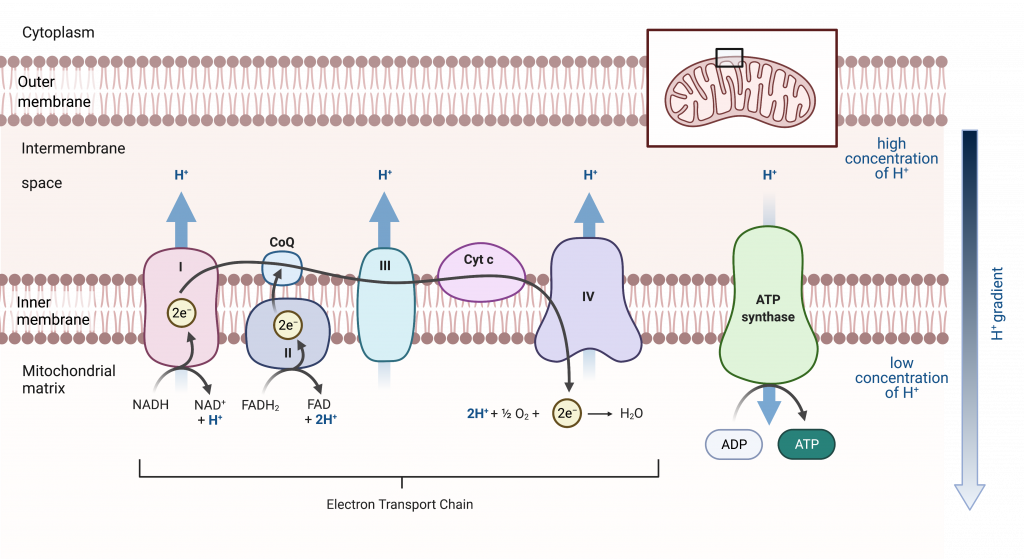 At the cellular level, longevity is mainly a bioenergetic process. Mitochondria generate most of the body’s ATP via a biochemical system called the electron transport chain (ETC).
The ETC is made up of four core protein complexes located in the inner mitochondrial membrane.
- Complex I
- Complex II
- Complex III
- Complex IV
Electrons from nutrient metabolism pass through these complexes, creating the electrochemical gradient needed for ATP production. However, mitochondrial efficiency decreases with age and chronic disease. Contributing factors include oxidative stress, persistent inflammation, environmental toxins, nutrient deficiencies, a sedentary lifestyle, and microbial metabolites from gut dysbiosis, all of which impair mitochondrial function.
When mitochondrial complexes are disrupted, electrons escape from the electron transport chain, leading to the generation of reactive oxygen species (ROS). Although ROS serves signaling functions in healthy cells, excessive amounts can harm cellular membranes, DNA, proteins, and mitochondrial enzymes. This damage speeds up biological aging and plays a role in conditions like Alzheimer’s, Parkinson’s, cardiovascular disease, diabetes, and chronic fatigue syndrome.
Strategies to restore mitochondrial function typically aim to increase mitochondrial biogenesis, sustain redox balance, and improve ETC efficiency. Key nutritional approaches involve compounds such as coenzyme Q10, alpha-lipoic acid, acetyl-L-carnitine, magnesium, and polyphenols. Recent studies also suggest that non-thermal LLLT can directly stimulate mitochondrial complexes.
 Non-thermal LLLT is one of the most promising new techniques for optimizing cellular function. Unlike surgical lasers, LLLT employs low-intensity, non-thermal light wavelengths to activate biological processes within cells.
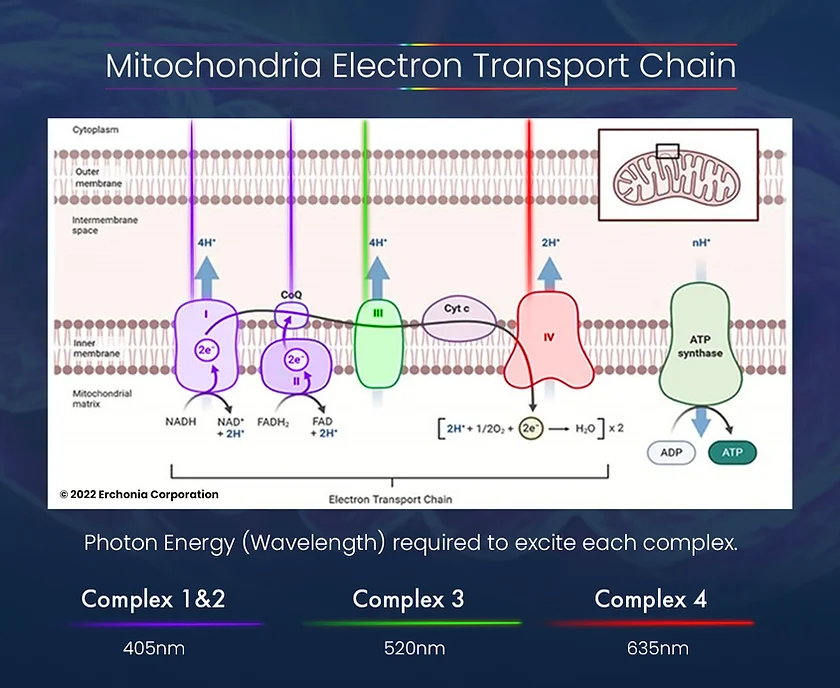
Research suggests that specific wavelengths of visible light interact with distinct components of the mitochondrial electron transport chain (ETC), influencing cellular energy production. Red light at approximately 635 nm interacts with cytochrome c oxidase, the terminal enzyme of Complex IV, facilitating more efficient electron transfer and supporting mitochondrial respiration. Shorter wavelengths appear to influence earlier portions of the ETC. Violet light (405 nm) is associated with activity in Complexes I and II, while green light (520 nm) influences Complex III.
When these wavelengths stimulate their respective mitochondrial targets, the result can be enhanced electron transport efficiency, improved mitochondrial membrane potential, and increased adenosine triphosphate (ATP) production. These effects may contribute to improved cellular energy output, better regulation of oxidative stress, enhanced tissue repair signaling, and greater overall metabolic resilience.
LLLT may also modulate nitric oxide signaling, thereby enhancing microcirculation and tissue oxygenation. These mechanisms make LLLT especially relevant for conditions involving mitochondrial dysfunction and inflammation, such as neurodegenerative disorders, chronic musculoskeletal pain, peripheral neuropathy, cognitive decline, and immune dysregulation.
From a functional medicine viewpoint, laser therapy provides several benefits:
- Non-pharmacologic
- Minimal side effects
- Compatible with nutritional and lifestyle interventions
- Capable of targeting specific tissues and physiological systems
When incorporated thoughtfully into a comprehensive clinical approach, laser-based therapies can improve mitochondrial function and accelerate tissue healing.